When you hire a personal injury lawyer, you expect them to stand by you through every step of your legal action journey. However, what happens if your lawyer decides to drop your case? While it’s not something most people anticipate, there are situations where a lawyer might choose, or be required to step away.
A personal injury lawyer can drop your case due to conflicts of interest, lack of merit, client misconduct, or ethical obligations. If this happens, clients should ask for a clear explanation and act swiftly by seeking a new personal injury attorney promptly to avoid delays and ensure their case remains on track.
At My Injury Pros, we combine legal experience, ethical integrity, and a client-first approach to help you navigate personal injury claims with confidence. Our dedicated team of personal injury attorneys understands the challenges you're facing and is committed to delivering honest guidance and strong representation every step of the way. If you’ve been injured and need reliable legal support, allow us fight for the justice you deserve. Contact us today for a free consultation!
In this post, we’ll break down the most common scenarios where an attorney may withdraw from representation in personal injury cases, and what it means for you as a client.
Can a Personal Injury Lawyer Drop Your Case?

Hiring a personal injury attorney often feels like the first big step toward justice after an accident, but what if that lawyer suddenly decides to walk away from your personal injury case? It’s a situation most clients don’t see coming, and when it happens, it can leave you feeling confused, frustrated, and unsure of what to do next.
While it might seem unfair, there are legitimate reasons a lawyer may choose to withdraw, and understanding your options can help you take control and keep your case moving forward.
Legal and Ethical Reasons a Lawyer May Drop a Case
Sometimes, lawyers must make the difficult decision to withdraw from a case, not because they want to, but because they’re legally or ethically required to. Lawyers are bound by strict professional conduct rules, and continuing representation in certain circumstances can be inappropriate or even unethical.
Here are some of the most common legal and ethical reasons a lawyer may choose or be obligated to drop a case.
Conflict of Interest
A conflict of interest arises when a lawyer’s ability to represent a client is compromised by a competing duty or personal interest, affecting their objectivity or loyalty. In personal injury cases, this can occur if the lawyer previously represented the defendant, and potentially gave them access to confidential information, or if they represent multiple clients who have conflicting accounts or goals in the same incident.
In these situations, ethical guidelines often require the lawyer to withdraw to avoid violating professional responsibilities as they may no longer be able to effectively represent their client.
Lack of Merit in the Case
Lawyers are obligated to pursue only cases with a solid legal and factual basis. If it becomes clear that a personal injury claim lacks sufficient evidence, unclear liability issues, or minimal damages, a personal injury attorney may be ethically required to withdraw.
Continuing with a weak case could be considered frivolous and a misuse of the court’s time and resources, which lawyers are professionally bound to avoid.
Client Misconduct or Non-Cooperation
The attorney-client relationship depends on trust and cooperation. If a client engages in misconduct such as withholding key documents, ignoring legal advice, misrepresenting facts, or behaving disrespectfully, it can make effective representation impossible. In such cases, a lawyer may be justified in withdrawing from the case to protect their professional integrity and maintain ethical standards.
Lawyers are not obligated to represent clients who undermine their ability to do the job ethically and effectively. If the attorney believes the relationship has become unworkable, they may request to withdraw from the case, provided they follow proper legal procedure.
Ethical Obligations and Professional Conduct Rules

All attorneys licensed in the U.S. are bound by the American Bar Association’s (ABA) Model Rules of Professional Conduct, along with any additional rules set by their state bar association. These rules are not just guidelines, they are enforceable standards that govern a lawyer’s professional behavior.
In some cases, continuing to represent a client could violate these ethical rules. For instance, if a client insists on pursuing a fraudulent claim, or asks the lawyer to submit false evidence, the attorney is ethically obligated to refuse and may have to withdraw from the case entirely.
Likewise, if a lawyer discovers a conflict of interest, as mentioned earlier, realizes that their client has unrealistic expectations for the outcome of the case, or personal biases are interfering with the client's case, ethical standards require them to step aside.
Practical Reasons a Lawyer May Drop a Case
Hiring a lawyer often brings a sense of relief. But what happens if your attorney determines to drop your case? It can feel confusing or even alarming. The good news is that this rarely happens without a good reason. There are some very practical (and legal) reasons a lawyer may decide to step away from a case.
The Case Is No Longer Financially Viable
Most personal injury lawyers work on a contingency fee basis, meaning they only get paid if you win your case, taking a percentage of the final settlement or verdict instead of charging hourly rates. This makes legal help accessible but requires the lawyer to cover upfront costs, like filing fees and expert witnesses, out of pocket.
If new information reduces the potential value and favorable outcome of the case, such as less severe injuries or difficulty proving liability, the lawyer may decide that continuing is financially unsustainable, a decision they can legally make as long as they follow ethical withdrawal procedures.
A Change in Case Circumstances
New evidence that weakens your claim, such as contradicting footage or a medical report that doesn’t support your injury, may constitute a lawyer's reason to conclude that continuing with the case isn’t in your best interest.
Additionally, if the defendant is "judgment-proof," meaning they have no assets, insurance, or ability to pay a judgment, the lawyer may decide that pursuing the case is not financially worthwhile, even if you have a strong legal case. In such situations, a win in court may not result in fair compensation.
You Hire a New Attorney
You have the right to switch attorneys if you're unhappy with your current representation, whether due to communication issues, differing strategies, or a desire for a second opinion from another law firm. Legally, your original attorney will file a motion to withdraw, and your second lawyer will submit a notice of substitution to the court.
If the first personal injury attorney feels they have already done substantial work, they may place a lien on any future settlement, which the new lawyer will typically handle as part of taking over the case.
What Happens if Your Lawyer Drops Your Case?
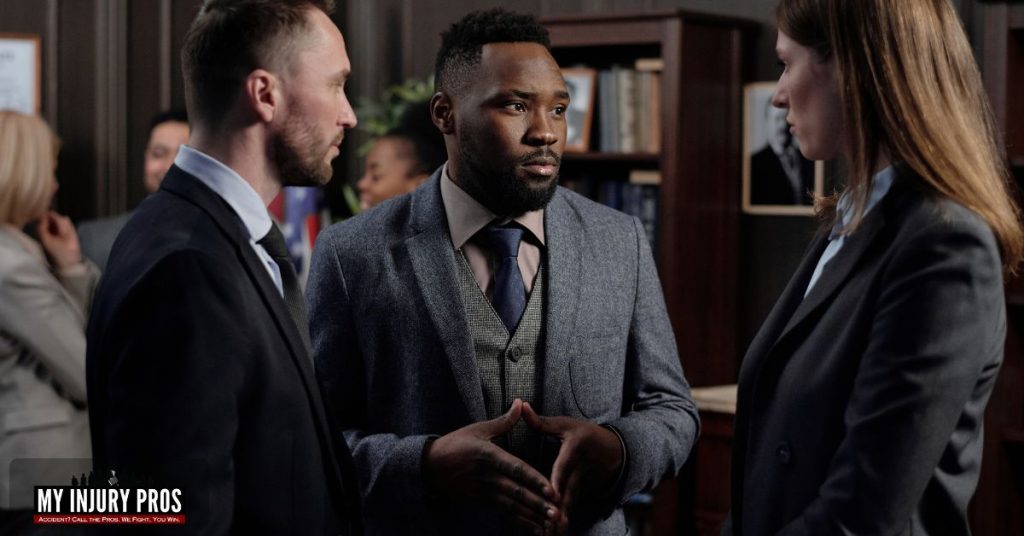
One of the most immediate consequences of a lawyer's withdrawal is the risk of being left without legal representation. Depending on how far along your case is, this can seriously affect your ability to succeed in court or during negotiations.
If your case is in litigation and your injury lawyer withdraws, formal procedures must be followed, including court permission, especially close to trial. Without a prompt replacement, you may have to represent yourself (“pro se”), which can put you at a serious disadvantage against opposing counsel. Deadlines and court requirements don’t pause, and missing them could result in a case of dismissal. The lack of legal guidance during key phases like settlement or discovery can significantly weaken your case and affect your chances of a fair settlement.
If your personal injury lawyer drops your case, any unused retainer must be refunded with a detailed breakdown, while a contingency-basis lawyer may place a lien on future settlements to recover invested time and costs. Losing representation mid-case can make it harder to find a new attorney, especially if the case lacks merit or involves client misconduct. This can stall your case, damage your credibility, and disrupt progress through delays, lost evidence, and strategy setbacks.
What to Do If Your Personal Injury Lawyer Drops Your Case
Finding out that your personal injury lawyer has dropped your case can feel like a serious setback, especially when you're counting on their support to navigate the legal system and secure compensation for your injuries.
If your personal injury attorney drops your case, start by requesting a written explanation to understand the reason and determine if it's fixable. If not, promptly begin searching for a new legal counsel, and be transparent about your case history, though finding one may be difficult if the case lacks merit or financial viability. Also, keep an eye on the statute of limitations to avoid losing your right to file, and consider legal recourse if the attorney’s withdrawal was mishandled or caused harm.
Additionally, if the previous lawyer’s withdrawal was mishandled or caused harm, you may have grounds to file a complaint with your state bar or, in serious cases, pursue a legal malpractice claim. Seeking legal expertise can help you determine the best course of action.
How to Find a New Reliable Personal Injury Attorney

Finding a trustworthy and skilled personal injury lawyer who can effectively represent you is pivotal to the success of your case, especially if you've recently parted ways with previous legal representation. With so many attorneys to choose from, it’s important to take deliberate steps to guarantee you’re selecting someone who’s both experienced and a good fit for your needs.
To find a reliable personal injury lawyer, start by asking trusted friends, family, or colleagues for referrals based on their own positive experiences. Then, read online reviews to gauge the lawyer’s reputation and client satisfaction, being cautious of patterns of negative feedback. Also, verify the lawyer’s experience, ensuring they specialize in personal injury cases similar to yours, as an experienced attorney will be better equipped to handle the complexities of your case.
In addition to experience, verify the attorney’s credentials by ensuring they are licensed in your state and have no disciplinary issues, which can be checked through your state bar association. Schedule consultations with several personal injury law firms, as most offer free initial meetings to allow you to ask questions, assess their expertise, and determine if their approach matches your needs. This helps you make an informed decision before moving forward.
When meeting with potential lawyers, assess their communication style to make sure they are clear, responsive, and approachable. If they are difficult to reach or vague, it may signal future issues. Additionally, discuss the fee structure upfront, particularly for contingency-based work, and clarify the percentage they will take, any upfront costs, and how expenses are managed. A trustworthy lawyer will be transparent and provide clear terms in writing.
Need a Reliable Attorney for Your Personal Injury Case?
A lawyer might drop a case for several reasons. These reasons include conflicts of interest, lack of merit, client misconduct, or financial impracticality and each is rooted in legal or ethical obligations. If this happens, it’s crucial to act quickly: request a formal explanation, consider hiring a new lawyer, and check that you're still within the statute of limitations to file your claim.
Most importantly, maintaining open communication, trust, and cooperation with your attorney can strengthen the relationship and help avoid future setbacks in your legal journey.
At My Injury Pros, we bring trusted legal experience, ethical standards, and a proven track record in personal injury law to every case we handle. Your recovery and justice are our top priorities. Let us help you take the next step with confidence. Contact us today for a free consultation!