Ride-sharing services like Uber have become increasingly popular worldwide due to their convenience, affordability and easy app-based access. However, with more vehicles on the road, accidents involving ride-share drivers have also risen.
In an Uber accident, responsibility can fall on the Uber driver, another driver or even Uber itself. This all depends on who was at fault and whether the driver was actively using the Uber app at the time. Knowing your legal rights after an accident is important because it ensures you're not taken advantage of while seeking fair compensation.
Were you injured in an Uber car accident and unsure of what to do next? At My Injury Pros, we understand how overwhelming it can be to figure out who’s responsible, whether it’s the Uber driver, another motorist, or even Uber itself. Rideshare accident cases involve unique legal challenges, but our experienced team knows how to navigate them and fight for the compensation you deserve. Contact us today for a free, no-obligation consultation and let us help you take the right legal action.
This blog will explain when and how you can sue Uber after an accident, who may be held responsible, and what your legal options are as a passenger, a driver, or a third party.
Rideshare and Uber’s Legal Structure
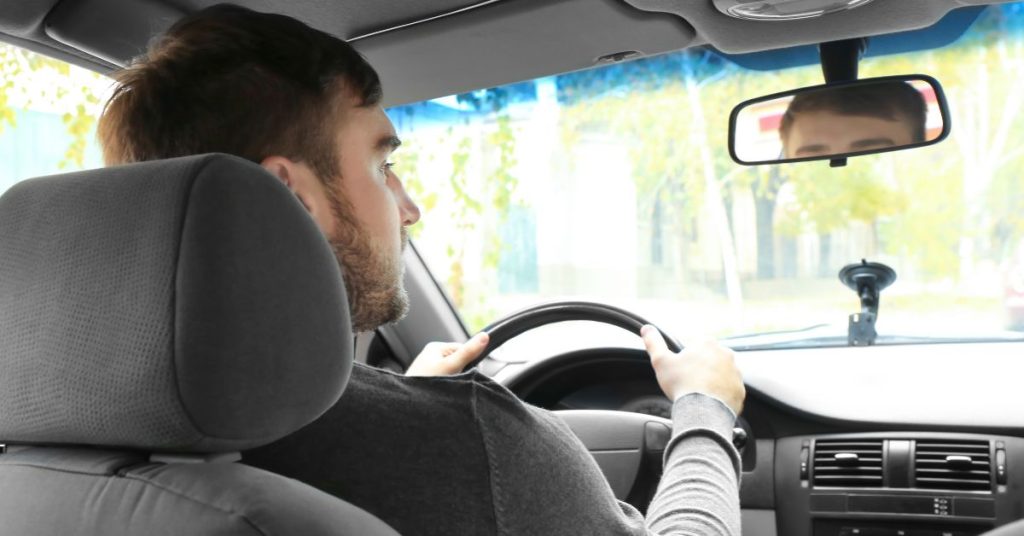
Uber’s business model categorizes its drivers as independent contractors, rather than employees. This means that Uber does not directly hire or manage drivers the way traditional employers do. Instead, drivers use the Uber app to connect with passengers and are considered independent contractors, not employees. Uber drivers are responsible for their vehicle expenses, work hours, and tax filings. While this setup provides drivers with flexibility, it also limits Uber’s liability and legal obligations in the event of accidents or misconduct.
This independent contractor status plays a major role in determining liability coverage during a lawsuit. If an accident happens, Uber often tries to distance itself from legal responsibility by arguing that the driver, not the company, is at fault. However, there are situations where Uber can still be held liable, especially if the Uber driver was logged into the app and in transit with a passenger. Uber also provides a $1 million insurance coverage policy during active rides, which can come into play depending on the timing and circumstances of the crash.
It’s important to understand the difference between suing the driver directly and suing Uber. If the Uber driver was offline or not using the app when the accident occurred, the victim usually has to file a claim against the driver’s personal insurance policy. But if the Uber driver was actively on a ride or en route to pick someone up, Uber’s insurance coverage may apply, and in certain cases, the company itself could be named in a lawsuit. Knowing this distinction is key to pursuing legal action after an Uber accident.
What Damages Can You Claim After an Uber Accident?
After a rideshare accident, you can claim financial compensation for medical bills. This usually covers hospital visits, surgeries, medications, and ongoing treatment. If you sustained serious injuries that prevent you from working, you may also be entitled to damages for lost wages and reduced future earning capacity.
In addition, victims can pursue compensation for pain and suffering, which covers both physical and emotional distress. Property damage, such as broken personal items or vehicle repairs, may also be included in your claim depending on the circumstances.
When Can You Sue Uber Directly?
While bringing a case against Uber can be challenging, there are specific situations where the company itself may be held legally responsible. Whether it’s due to driver negligence while on the app or failures in Uber’s hiring or safety policies, understanding when you can hold the company itself accountable is key to building a strong legal case.
Cases of Gross Negligence by Uber
You can sue Uber directly when the company engages in gross negligence that shows a disregard for the safety of passengers. A common example is when Uber fails to properly vet a driver's status, such as checking for a criminal record or a history of reckless driving. If that rideshare driver causes harm, Uber may be held liable for knowingly putting users at risk by allowing a dangerous person to operate on their platform.
Defective App or System-Related Errors
Technology can also expose Uber to liability if flaws in its app contribute to an Uber vehicle accident. For example, GPS failures that send drivers down unsafe routes, app glitches that interfere with navigation, or constant notifications that lead to distracted driving may form the basis of a personal injury claim. In these cases, you may be able to file a lawsuit against Uber directly for design flaws or system issues that created unsafe driving conditions.
Suing for Emotional Distress or Secondary Damages
Uber may be sued for emotional trauma or secondary damages when a rideshare experience results in mental distress, anxiety, or PTSD. These claims often arise after assaults by drivers or highly traumatic accidents. If it can be shown that Uber’s policies or negligence contributed to the incident, the rideshare company may be held accountable not just for physical harm but for emotional suffering as well.
3 Types of Uber-Related Accidents
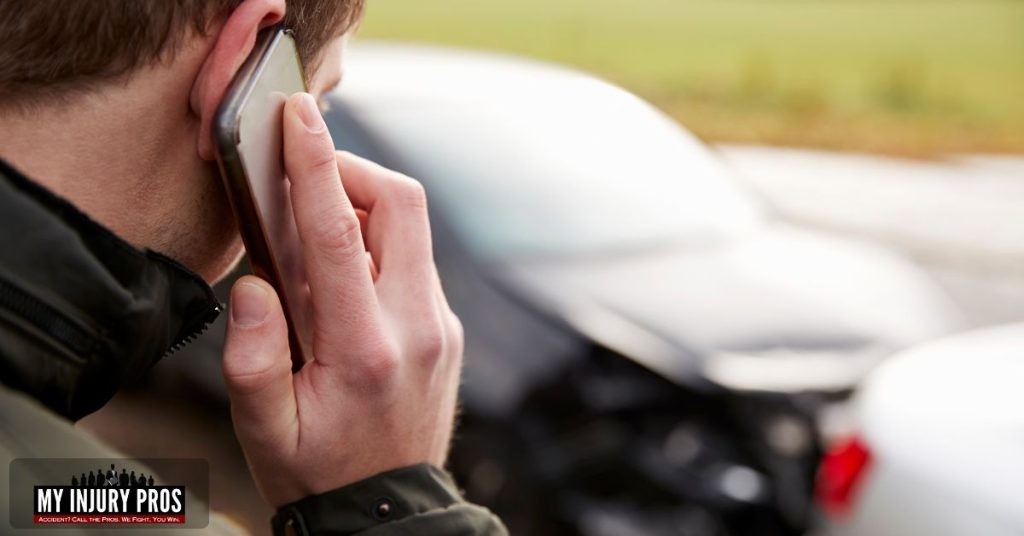
Not all Uber-related accidents are the same. Each type can affect who’s liable and what kind of settlement you may be eligible for. Whether you're a passenger, another driver, or even a pedestrian, the circumstances of the crash are important. We'll break down the three most common types of Uber-related accidents and what they mean for your legal options, so that you’ll know when to take action and when to reach out to My Injury Pros for a free consultation.
1. You Were a Passenger in an Uber
If you were injured while riding as a passenger in an Uber, you're typically covered under the company's insurance policy. Uber's $1 million liability insurance coverage applies when the driver accepts fares and is actively transporting a passenger. Injuries can range from minor bruises to severe trauma, but regardless of severity, you may be entitled to recover compensation for medical bills, lost wages, and more. Uber’s coverage usually kicks in after the Uber driver’s insurance is exhausted.
2. You Were Hit by an Uber as a Pedestrian or Another Driver
Whether you're a pedestrian or another driver, being in an accident involving an Uber vehicle can be complex. If the Uber driver was logged into the app and either on a trip or en route to pick someone up, Uber’s commercial insurance may apply. However, you must prove fault to determine who pays. This could include reviewing police reports, traffic cams, and driver behavior.
3. You Were the Uber Driver
As an Uber driver, your coverage depends on your status in the app at the time of the crash. If you’re offline, only your insurance applies. If you're online and waiting for a ride, Uber offers limited liability coverage. Once you accept a ride request or have a passenger in the car, Uber’s full commercial policy, including liability and uninsured motorist coverage, comes into effect.
Steps to Take After an Uber Accident

After an Uber accident, your priority should be to seek immediate medical attention, even if you don’t feel seriously injured at the moment. Some injuries may not show symptoms immediately, and having medical records early on helps strengthen any future claims.
Once you’re safe, gather evidence from the scene where the crash occurred. Document the time of the accident and take photos of the cars, road conditions, and any visible bodily injuries. If there are witnesses, gather their names and contact information, as they may be key to proving what happened.
Next, it’s important to report the incident to both Uber and local law enforcement. Uber has a system in its app for reporting accidents, and a police report adds an official record of the event. Ultimately, seek legal help from a personal injury attorney who has experience handling rideshare cases. These accidents can involve complicated insurance issues and liability questions, so having a legal expert on your side can make all the difference in getting the settlement you deserve.
Injured in an Uber accident? Contact My Injury Pros today for a free consultation and let our team of experienced attorneys fight to get you the settlement you deserve.
Challenges in Suing Uber
Filing a lawsuit against Uber can be challenging due to the arbitration clause buried in its terms of service, which most users agree to without realizing it. This clause most time requires disputes to be resolved through private arbitration instead of a court. It limits transparency and your right to a jury trial. Although there are exceptions, arbitration can slow the legal process and make it harder to hold Uber publicly accountable for your injuries.
Uber also uses strong legal defenses and often argues that its drivers are independent contractors to avoid liability. Backed by a well-funded legal team, the company works to shift blame and minimize payouts through its limited liability policy. On top of that, injured parties must navigate strict filing deadlines, as if you wait too long to act, you could lose the right to sue entirely.
How Can an Attorney Help You Sue Uber

Taking Uber to court involves complex legal issues, from navigating arbitration clauses to proving the company's liability. An experienced attorney understands the specific challenges of Uber accident cases and can guide you through every step. They make sure your rights are protected and that you don’t settle for less than you deserve.
A personal injury lawyer will gather evidence, interview witnesses, obtain police reports, and analyze Uber’s app data to build a strong case. An attorney will also deal with Uber's insurance company and negotiate a fair settlement. Most personal injury lawyers work on a contingency fee basis, so you pay nothing upfront and only owe legal fees if you win or settle.
Want to Sue Your Uber?
Yes, it’s possible to initiate legal action against Uber, but whether you have a valid case depends on several factors, like who was at fault, whether the driver was logged into the app, and the specifics of the accident. Uber often shields itself from direct liability by classifying drivers as independent contractors, so the details matter.
Legal advice early on can make a big difference in the outcome of your case. If you’ve been injured, make sure to document everything. Take photos, get witness information, file a police report, and seek medical care right away. The sooner you act and consult a lawyer, the stronger your case will be.
Think you might have a case after an Uber accident? At My Injury Pros, we’ll help you understand your rights, deal with Uber’s insurance, and fight for the settlement you deserve. Let’s get you the help you need. Contact us today for a free consultation!