
Slip and fall incidents in grocery stores often occur due to hazards such as wet floors or misplaced items. They can often lead to serious injuries. Understanding potential legal outcomes is crucial, as these cases can be challenging for individuals to prove without clear evidence of negligence.
The average settlement for a slip and fall in a grocery store ranges from $10,000 to $50,000. Slip and fall settlements depend on the severity of the injury and evidence of store negligence. More serious cases involving long-term medical care or permanent injury can result in higher payouts.
Have you or a loved one been injured in a slip and fall at a grocery store and aren’t sure what your case might be worth? At My Injury Pros, our experienced team of personal injury attorneys is dedicated to helping injury victims understand their rights, navigate complex claims, and pursue the compensation they deserve. With a strong track record of successful outcomes and client-focused service, we’re here to guide you every step of the way. Contact us today for a free consultation!
This post explores the average settlement amounts for slip and fall accidents in grocery stores and the key factors that influence compensation.
What is a Grocery Store Slip and Fall Accident?
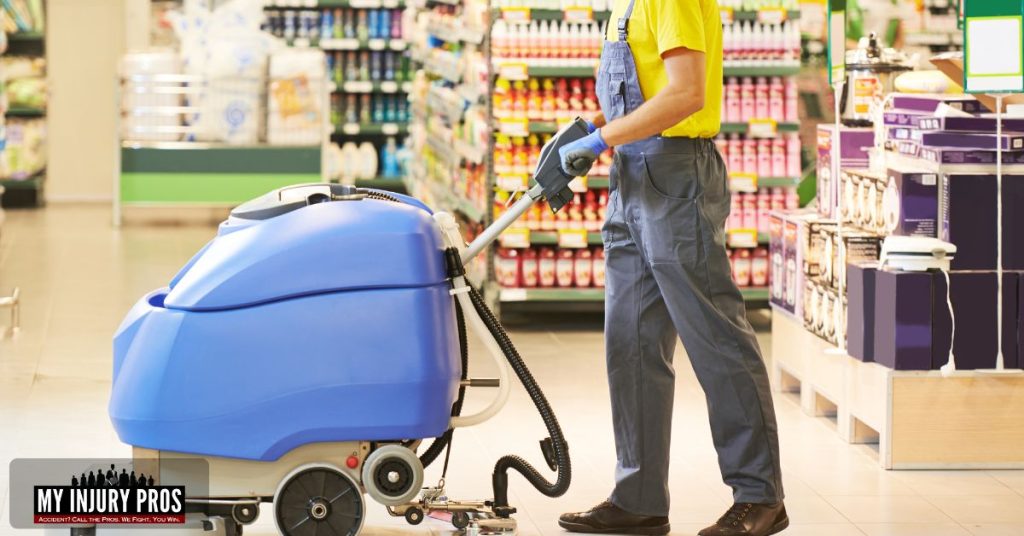
A grocery store slip and fall accident occurs when a customer or visitor loses their footing due to hazardous conditions within the store, which causes a fall and potential injury. Freshly mopped floors without warning signs, wet floors, spilled food or beverages left uncleaned, and cluttered or obstructed aisles commonly cause these incidents. Poor lighting, uneven flooring, or loose mats can also contribute to these dangerous situations. Because grocery stores have to maintain safe premises for their customers, when they fail to address or warn about these hazards promptly, it can lead to premises liability.
Injuries from slip and fall accidents in grocery stores can range from minor to severe. Victims can suffer sprains, broken bones, and in more serious cases, spinal injuries, concussions, or other head trauma. These injuries can lead to significant medical bills, lost wages, and long-term pain. Legally, such cases often hinge on proving negligence under premises liability laws. This means showing that the store knew or should have known about the hazardous condition and failed to take reasonable steps to fix it or warn customers.
What’s the Average Payout for a Grocery Store Fall?
The national average payout for grocery store slip and fall cases ranges from $10,000 to $50,000 and depends on the severity of the injury and the strength of the evidence proving negligence. Minor injury claims, such as sprains or bruises that require minimal medical treatment, often settle on the lower end of that range. In contrast, moderate injuries like fractures or torn ligaments that involve physical therapy or time off work may push settlements toward the higher end. These payouts aim to cover medical bills, lost wages, and pain and suffering.
In cases that involve major injuries such as traumatic brain injuries, spinal damage, or permanent disability, settlements can exceed $100,000 or more, especially when lifelong care or extensive treatment is needed. For example, a customer who suffers a hip fracture requiring surgery and long-term rehabilitation may receive a significantly higher settlement than someone with a minor ankle sprain. These higher payouts reflect the lasting impact of the injury, future medical expenses, and the emotional toll on the victim’s quality of life.
| Injury Severity | Estimated Settlement Amount |
|---|---|
| Minor Injuries | $2,000 – $15,000 |
| Moderate Injuries | $15,000 – $50,000 |
| Severe Injuries | $50,000 – $200,000+ |
| Catastrophic Injuries | $250,000 – $1,000,000+ |
How Is a Slip and Fall Settlement Calculated?
Slip and fall settlement amounts are largely based on the severity and type of injury sustained. More serious injuries like broken bones, head trauma, or spinal damage result in higher compensation than minor bruises or sprains. This is because they require more intensive treatment and have a longer recovery time.
Another key factor is the cost of medical expenses, both current and anticipated. This includes emergency care, surgeries, physical therapy, medications, and any ongoing or future treatment. In addition, victims can recover damages for lost wages during recovery and loss of earning capacity if the injury affects their ability to work long-term.
Non-economic damages like pain and suffering are also considered and are often calculated based on the intensity and duration of physical and emotional distress. Also, if the injured person is partially at fault (e.g., ignoring warning signs), their claimed damages may be reduced by their percentage of fault.
Who Is Legally Responsible for a Grocery Store Slip and Fall?

Legal responsibility for a slip and fall in a grocery store often begins with the store owners and managers because they have a duty to maintain a safe environment for customers. They are responsible for routine inspections, staff training, and making sure that potential hazards are addressed promptly. If they fail to uphold these duties and someone is hurt as a result, they may be held liable. Additionally, employees can be held responsible if their careless actions directly lead to an accident.
In some cases, third-party contractors, like cleaning companies hired by the store, may also share liability. If a cleaning crew leaves a floor wet without proper signage or fails to follow safety protocols, and that directly causes a fall, they can be held accountable. Determining who is responsible often depends on who had control over the area and the circumstances at the time of the incident.
To hold the grocery store liable, a victim must prove negligence. This means showing that the responsible party owed a duty of care, breached that duty, and caused harm. This includes demonstrating that the store knew or should have known about the dangerous condition and failed to fix it or warn customers. Strong evidence, like surveillance footage, photos, incident reports, and witness statements, is critical to help prove fault and strengthen a claim.
Sometimes, comparative negligence comes into play if both the injured person and the store share fault. For example, if the customer ignored visible warning signs or was distracted while walking, a court might reduce their compensation by their percentage of fault. Even in these situations, an experienced attorney can help build a case to ensure fair treatment and maximum possible recovery.
What to Do After a Slip and Fall in a Grocery Store
After a slip and fall in a grocery store, the first thing you should do is notify the incident immediately to the store manager or a store employee. Make sure an incident report is filled out and request a copy for your records. This official documentation is important for linking your injury to the specific time and location of the accident.
Next, snap photos and videos of the scene where you fell, including any hazards like wet floors, spilled products, or lack of warning signs. If anyone witnessed the fall, gather their names and contact information because they may be able to provide statements that support your claim. Then, seek medical attention right away, even if your injuries seem minor. Prompt treatment creates a medical record that connects your injuries directly to the fall, which can be vital when establishing your case.
Finally, avoid giving recorded statements to insurance adjusters without first speaking to a lawyer. These statements can be used against you, even if made innocently. Hiring an experienced personal injury attorney makes sure you have someone who can gather critical evidence, communicate with the store’s insurance company, and fight for the full compensation you deserve. Having skilled legal representation increases your chances of a successful and fair outcome.
How a Lawyer Can Help Maximize Your Settlement
A personal injury lawyer can play a crucial role in maximizing your slip and fall settlement by thoroughly investigating the incident and gathering key evidence. This includes collecting surveillance footage, witness statements, accident reports, and medical records to build a strong case proving the grocery store’s lack of due care. With legal expertise, an attorney can identify details that a victim might overlook and make sure that all documentation supports the highest possible claim value.
Additionally, an experienced slip and fall attorney will handle negotiations with insurance companies. Your attorney can push for fair compensation that fully covers medical bills, lost wages, and pain and suffering, and if the insurer refuses to settle reasonably, they can file a lawsuit and represent you in court. This legal pressure often motivates stores to offer higher settlements and helps you receive the compensation you truly deserve.
How Long Does It Take to Settle a Slip and Fall Claim?
The timeline for settling a slip and fall claim can vary widely and range from a few months to over a year. Straightforward cases with clear liability and minor injuries may resolve quickly through negotiation, while more complex claims that involve serious injuries or disputed fault can take significantly longer.
Several factors can affect how long a case takes to settle. They could include the cooperation of the grocery store or its insurer, the complexity of the case, and any court-related delays if the claim goes to litigation. Cases that involve extensive medical treatment or multiple parties often require more time to gather evidence, assess damages, and negotiate a fair settlement.
Need a Slip and Fall Attorney to Maximize Your Settlement?
Slip and fall accidents in grocery stores can lead to serious injuries and significant financial burdens. Understanding the average settlement amounts, how claims are calculated, and what steps to take after an incident can greatly improve your chances of receiving fair compensation.
If you’ve been injured, it’s important to act quickly by reporting the incident, gathering evidence, and seeking medical attention. Most importantly, consult an experienced personal injury attorney who can protect your rights and help maximize your settlement.
Injured in a grocery store slip and fall and unsure what to do next? At My Injury Pros, we have the experience to fight for the compensation you deserve and guide you every step of the way. Let us help you get back on your feet. Contact us now for a free case evaluation!
FAQs
Can Larger “Chain” Grocery Stores Pay More Money for Slip and Fall Injuries?
Yes, larger chain grocery stores often have greater financial resources and insurance coverage, which can result in higher compensation payouts for slip and fall injuries compared to smaller businesses.
What Is the Average Payout for a Slip and Fall at Walmart?
The average Walmart slip-and-fall settlement typically falls between $15,000 and $45,000, though severe cases with strong evidence can yield much higher awards.
Can I Sue a Grocery Store for Slipping and Falling?
Yes, you can sue a grocery store for slipping and falling if you can prove that the store’s negligence caused the hazardous condition that led to your injury.
How Long Do I Have to File a Slip and Fall Claim?
You typically have two to three years from the date of the slip and fall to file a claim, depending on your state's statute of limitations.