

Workplace slip and fall incidents occur when employees lose balance due to hazardous conditions like wet floors or uneven surfaces, potentially leading to serious injuries. Knowing your rights is crucial, as it helps ensure you receive the medical care and compensation you're entitled to.
After a slip and fall accident at work, what you should do is seek medical attention immediately, even for minor injuries, and report the incident to your supervisor as soon as possible. Document the scene, gather witness information, and avoid discussing the accident publicly to protect your rights and support any future claims.
Have you recently experienced a slip and fall at work and aren't sure what to do next? At My Injury Pros, we understand how overwhelming and confusing the aftermath of a workplace accident can be. Our team is here to guide you through the process. Don't navigate this alone. Let our experts help protect your rights and fight for the compensation you're entitled to. Contact us today for a free consultation!
This blog will guide you through the essential steps to take after a slip and fall at work, including seeking medical attention, reporting the incident, and protecting your legal rights.
Common Injuries After Workplace Slip and Falls

Slip and fall accidents in the workplace are a leading cause of personal injury. They often result in sprains, fractures, back or spinal cord injuries, and head trauma. Sprains occur when ligaments are stretched or torn. They affect the ankles, wrists, or knees. Fractures may result from the impact of the fall, particularly in the arms, hips, or ankles, and can sometimes be mistaken for less serious injuries due to minimal initial pain.
Back injuries are also a serious consequence of slips and falls, with potential damage to spinal discs, muscles, or ligaments. These injuries can lead to long-term issues such as chronic pain or limited mobility if not treated promptly. Similarly, concussions can happen if the head strikes the ground or another object, and symptoms such as confusion, headaches, or dizziness may be delayed.
It’s important to seek early diagnosis and treatment for any work-related injury, even if it appears minor. Timely medical treatment helps prevent complications and supports a faster recovery. Ignoring early signs or delaying treatment can lead to worsening conditions and a longer time away from work.
Importantly, workers should be aware that symptoms don’t always show up right after a fall. Adrenaline or shock can temporarily mask pain, and injuries like concussions or soft tissue damage may take time to manifest. Reporting incidents immediately and undergoing a medical evaluation is critical to ensure safety and proper care.
Steps to Take Right After a Slip and Fall at Work

A slip and fall accident at work can be sudden and disorienting, but the steps you take immediately afterward are crucial for protecting both your health and your legal rights. Even if the injury seems minor at first, failing to act promptly can harm your ability to receive proper medical care and workers' compensation benefits. The following steps outline what you should do right after a workplace fall to ensure your safety and preserve any potential claim.
Seek Medical Attention Immediately
Your health comes first, and seeking medical care right away makes sure you receive the treatment you need before symptoms worsen. For serious injuries such as head trauma, loss of consciousness, or broken bones, call 911 without delay. Even if the injury seems minor, like dizziness, soreness, or bruising, go to the emergency room or an employer-approved clinic as soon as possible. Some injuries, such as internal bleeding or concussions, can take hours or days to appear. Importantly, medical records will serve as essential documentation if you file a workers’ compensation claim or pursue further legal action.
Report the Accident to Your Supervisor
Once you’re medically stable, notify your supervisor, such as a manager, human resources representative, or safety officer, as soon as possible. Ideally, this should happen the same day as the slip and fall accident. Be clear and concise in your report, but avoid speculating about the cause or accepting blame. It's best to report the fall in writing or ask for written confirmation of your verbal report. Delaying could cast doubt on your claim and may even result in a denial of benefits.
Document the Scene and Your Injuries
If you’re physically able, gather evidence by taking photos or videos of the accident scene and focus on hazards like wet floors, uneven surfaces, spilled liquids, poor lighting, or missing warning signs. Also, take pictures of your visible injuries, such as swelling, bruises, or cuts you sustained soon after the accident.
Make a note of the exact time, date, and location, and include details about any faulty or missing safety equipment, like broken handrails. Writing a personal account while the incident is fresh in your mind can also help clarify your memory later during the personal injury claims process.
Identify and Speak With Witnesses
Witness statements can provide valuable support for your version of events, especially if your employer or insurance company disputes the claim. Ask coworkers or bystanders if they saw the fall, and collect their names, contact information, and brief statements if possible. Even those who didn’t see the actual fall may be able to confirm the hazardous condition or lack of safety measures. Their input can significantly strengthen your case and help establish a pattern of unsafe conditions.
Avoid Making Public Statements or Posting Online
In the age of social media, it’s tempting to share updates about your work accident but doing so can backfire. Don’t post photos, videos, or details of the accident or your injuries online. Avoid discussing who was at fault or what compensation you expect. These statements can be misinterpreted or used against you by insurance companies or your employer. Keep conversations about the incident limited to your doctor, your lawyer, and your employer.
Contact a Workers’ Compensation Lawyer
If your fall injury is serious, your claim is denied or delayed, or you feel that your employer isn’t taking your report seriously, it’s wise to speak with a workers’ compensation attorney. Legal help is very valuable in complex cases, such as when long-term care is needed or when proving negligence of an employer may be involved. Many lawyers offer free consultations and work on a contingency basis, meaning you pay nothing unless they help you recover compensation. Having an experienced advocate can make a significant difference in securing the support you need.
When to File a Workers’ Compensation Claim

A workers' compensation claim is a formal request for financial benefits after sustaining an injury or illness at work. It typically covers medical expenses, lost wages, and rehabilitation costs, allowing employees to receive compensation without having to prove employer negligence. Workers' compensation operates under a no-fault system, meaning all employees are entitled to benefits regardless of who was at fault for the incident, making it easier to seek assistance for work-related injuries.
It’s important to file a claim as soon as possible, as delays can lead to a denial of benefits. Each state has specific deadlines, such as notifying your employer within 30 days or filing a formal claim within one to two years. To ensure you meet the requirements, check your state's laws or consult an attorney. In general, you should file a claim immediately for any work-related injury, whether minor or severe, including slip and fall accidents, equipment injuries, repetitive strain injuries, and illnesses from long-term exposure to harmful conditions like chemicals or loud noises. Psychological injuries resulting from job conditions may also qualify in certain jurisdictions.
Ongoing pain or symptoms after a workplace accident, a diminished ability to work, mounting medical costs, or if your employer is minimizing or ignoring your injury statement are all signs that you should not wait to file a report or seek legal help. Delaying your workers' comp claim in these situations can jeopardize your access to necessary benefits, so acting quickly is crucial to ensure proper recovery and financial support.
What Is the Highest Paid Slip and Fall Settlement?
Slip and fall settlements can vary widely depending on the circumstances of the incident and the extent of the injuries sustained. The most substantial settlements are typically awarded in cases where the victim suffers life-altering injuries, such as traumatic brain injuries (TBIs) or spinal cord damage. These types of injuries often lead to permanent disability, ongoing medical treatment, and significant lifestyle changes. They justify much higher compensation amounts compared to minor or temporary injuries.
Several factors influence how high a slip and fall accident settlement can go. Medical expenses are a primary driver, especially when surgeries, rehabilitation, and specialized care are needed. Lost income, both past and future, also plays a major role, especially if the victim can no longer work due to the fall injury, or has reduced earning capacity. Additionally, long-term care needs, such as in-home assistance or nursing care, and non-economic damages like emotional distress and loss of quality of life, can significantly increase the value of a settlement.
State laws and insurance policies also heavily impact the final payout of the personal injury claim. Some states are more plaintiff-friendly and allow for higher compensation through broader definitions of liability or less restrictive caps on damages. For example, states like California and New York are known for awarding higher settlements in personal injury cases. The role of the defendant’s insurance provider is also crucial, as policy limits and willingness to settle can either enable or restrict the size of the payout.
While there is no official record for the single highest slip and fall settlement, some documented cases have resulted in multimillion-dollar awards, often exceeding $10 million, especially when the slip and fall accident resulted in permanent brain injuries or paralysis. These extraordinary settlements are rare and typically involve extensive litigation and clear evidence of negligence. Seeking legal help from a personal injury attorney can be crucial in navigating complex cases and ensuring you receive the maximum compensation possible.
How Long Do I Have to File a Slip and Fall Claim?
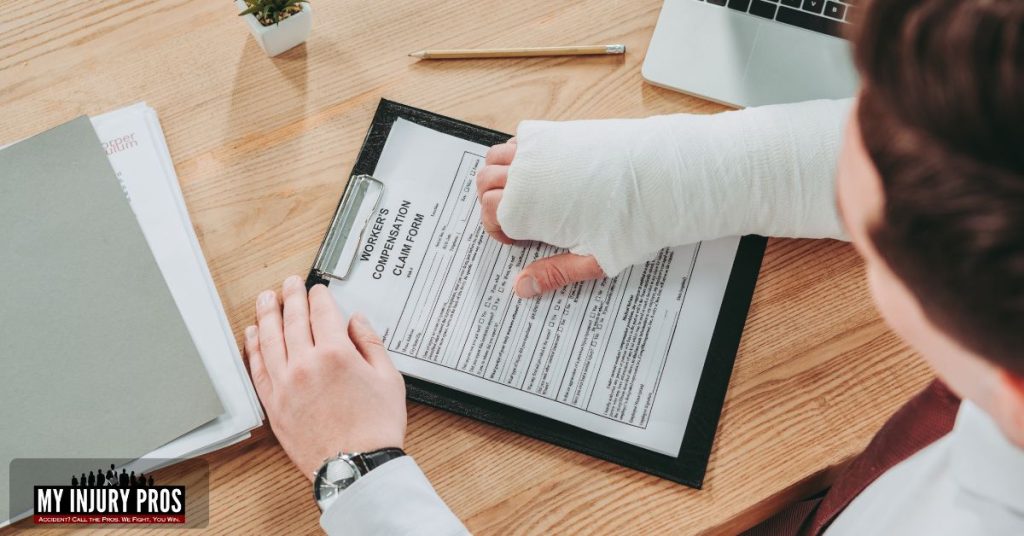
The amount of time you have to file a slip and fall claim is governed by what’s known as the statute of limitations, which varies by state. In most states, this time limit ranges from one to three years from the date your workplace injuries were sustained. Failing to file within this window typically means losing your right to workers' compensation, regardless of how valid your claim may be. It’s important to check the specific laws in your state, as deadlines can differ significantly.
Generally, the clock starts ticking on the date the slip and fall accident occurred, but there are situations where the timeline may be different. For example, if the fall injury wasn’t immediately apparent, such as a delayed diagnosis of a concussion or internal injury, the statute of limitations might begin from the date the injury was discovered or should have reasonably been discovered. This is known as the “discovery rule” and can apply in cases where symptoms or damage are not instantly clear.
Filing early is always advisable, not just to ensure you meet the legal deadline but also to preserve crucial evidence, such as surveillance footage, eyewitness accounts, and hazard documentation. Additionally, some exceptions may extend the filing period, such as if the injured person is a minor or legally incapacitated at the time of the accident. However, these exceptions are limited, so consulting an attorney as soon as possible is the best way to protect your rights and build a strong case.
Seeking an Experienced Workers' Compensation Lawyer?
Quick action after a slip and fall at work is crucial for both your well-being and legal protection. Seeking prompt medical attention ensures that injuries, even those that appear minor at first, are properly diagnosed and treated. Communicating the incident promptly and documenting the scene helps preserve vital evidence, while understanding your rights ensures you don't miss out on compensation or benefits you're entitled to.
If you're unsure about the process or if your claim is denied or delayed, don't hesitate to seek professional help. Consulting with a workers' compensation lawyer can provide valuable guidance and support, helping you navigate the complexities of the claims process and ensuring your rights are fully protected.
Have you slipped and fallen at work? At My Injury Pros, we specialize in helping victims of slip and fall accidents get the compensation they deserve. Our experienced team of personal injury attorneys is ready to guide you through the complex process. Take the first step toward your recovery. Contact us for a free case evaluation today!
FAQ
Can I Be Fired for Reporting a Slip and Fall?
No, you cannot legally be fired for reporting a slip and fall, as doing so is considered protected activity under workplace safety and retaliation laws.
What if I Didn’t Report the Injury Right Away?
If you didn’t report the injury right away, you may still have a valid claim, but it could be harder to prove, so it's important to document everything and seek legal advice promptly.
Can I Sue My Employer for a Slip and Fall?
In most cases, you cannot sue your employer directly for a slip and fall if they have workers’ compensation insurance, but you may be entitled to benefits through that system.
What Happens if a Third Party Was Responsible?
If a third party was responsible for your slip and fall, you may be able to file a separate personal injury lawsuit against them in addition to receiving workers' compensation.
How Do You Know if You Are Okay After a Fall?
You may feel fine initially, but it's important to monitor for symptoms like pain, dizziness, or swelling and seek medical evaluation to rule out hidden injuries.