With rideshare apps now a part of daily life, figuring out who’s liable for your injuries after an accident can get complicated fast. The liability for your injuries in a rideshare accident can fall on the Uber or Lyft driver, another at-fault driver, or the rideshare company itself. It depends on who caused the crash and whether the driver was actively using the app at the time.
Not sure who’s responsible for your injuries after a rideshare accident? At My Injury Pros, rideshare accident claims are one of our core practice areas. With our deep understanding of personal injury law and experience handling rideshare claims, we’ll guide you through every step, from filing insurance claims to pursuing legal action when necessary. Contact us today for a free consultation and let us fight for your rights!
This blog will break down who may be held legally responsible for your injuries after a rideshare accident, whether it’s the rideshare driver, another motorist, or the rideshare company itself.
Understanding Liability in Rideshare Accidents
With the rise of rideshare services like Uber and Lyft, more people are relying on these platforms for everyday transportation. However, only a few people know what happens when things go wrong. Unlike traditional car accidents, rideshare accidents involve multiple layers of liability, which can make it difficult to determine who’s responsible.
As rideshare services continue to grow, so does the importance of knowing your rights and how to protect them after an accident occurs. Whether you're a passenger, pedestrian, or another driver, identifying who’s legally responsible, be it the Uber or Lyft driver, a third-party driver, or even the rideshare company itself, is the first step in building a strong personal injury claim.
What Does "Liability" Mean in Legal Terms?
Liability means being legally responsible for something. If you're liable in a car accident, it means the law sees you as the person who caused the crash and must pay for the injuries or losses that resulted from it.
For example, if a rideshare driver runs a red light and hits another car, they may be liable for the damage and injuries caused. That means the Lyft driver's primary liability insurance or possibly Uber's insurance would have to cover the costs. Liability helps determine who pays and who is protected in legal situations.
Why Determining Liability Matters for Victims?
When you're injured in a rideshare accident, figuring out who’s legally responsible is important because that determines who pays for your medical bills, lost wages, and other damages. If liability is not clearly established, insurance companies may deny your claim or offer far less than you deserve.
Understanding liability is key to protecting your rights and pursuing fair compensation. Keep reading to find out who might be responsible in your situation, whether it’s the rideshare driver, another motorist, or even the rideshare company itself.
Who Could Be at Fault in a Rideshare Crash?
The Rideshare Driver
Rideshare drivers, like anyone else behind the wheel, can make mistakes. Distracted driving, speeding, failure to yield, or reckless lane changes are all common causes of crashes. While it’s important not to assume blame without evidence, it’s equally important to recognize that the driver’s behavior may be a key factor in the Lyft accident.
Another Driver on the Road
Even if your Uber or Lyft driver did everything right, another driver’s negligence or reckless actions could still be to blame. Situations often involve shared liability. This means more than one person holds partial responsibility for the Uber accident. That’s why determining liability through police reports, witness statements, and legal support is so important.
The Rideshare Company (Uber, Lyft)
In some cases, the rideshare company itself may bear some responsibility. This is known as corporate or vicarious liability. For example, in cases where Uber fails to screen a driver with a history of DUIs or ignores repeated safety complaints, it could be held accountable for negligent hiring or failure to enforce safety policies.
When the Company Is Actually Responsible
Rideshare companies have a legal duty to provide a safe service for the public. If a crash occurs because of poor oversight, app design flaws that encourage distracted driving, or failure to act on known driver risks, Uber or Lyft may be directly liable.
In situations where this is the case, Uber's commercial insurance policy may be used to provide insurance coverage to cover passenger injuries or damages.
What Makes Rideshare Accidents Different From Regular Car Crashes?
Unlike traditional crashes between two private drivers, rideshare accidents usually involve multiple insurance policies, employer-employee questions, and app-based liability. Who’s responsible and what liability coverage applies can change based on what the driver was doing at the time of the accident. Whether or not the driver was logged into the app, waiting for a ride request, or actively transporting a passenger all affect which insurance applies and who may be legally responsible. These details make rideshare crashes far more complicated than traditional accidents.
Another key difference is the legal relationship between the driver and the rideshare company. Since most drivers are considered independent contractors and not employees, it can be harder to hold companies like Uber or Lyft directly accountable, unless there's evidence of corporate negligence or Uber app-related risks. That’s why rideshare cases often require deeper investigation, legal strategy, and specialized experience to sort out fault and get fair compensation.
Understanding Uber & Lyft’s Insurance Policies
Rideshare insurance can seem complicated, but it’s actually based on one simple factor: what the driver was doing at the time of the accident. Uber and Lyft break liability coverage into three ride phases, and each one comes with different levels of protection.
These phases are when the app is off, when the app is on and the driver is waiting for a ride request, and when the driver accepts a ride request and is conveying a passenger.
Insurance Coverage at Each Stage of the Ride
Understanding rideshare insurance is easier when you break it down by the driver’s activity. Here's a simple table that shows what rideshare insurance policies apply at each stage of an Uber or Lyft ride:
| Driver Status | Coverage Type | Who Provides Coverage | Coverage Details |
|---|---|---|---|
| App is OFF | Personal Auto Insurance | Driver’s personal insurer | Uber/Lyft provides no coverage in this phase. |
| App is ON (Waiting) | Limited Liability Coverage | Uber/Lyft (Contingent liability coverage) | Up to $50,000 per person, $100,000 per accident for bodily injury; $25,000 for property damage. |
| Ride Accepted / Passenger in Car | Full Commercial Coverage | Uber/Lyft | Up to $1 million in liability, plus uninsured/underinsured motorist coverage. |
This structure helps determine who pays and how much, depending on what the driver was doing at the time of the crash.
What If the Driver Wasn’t Even Logged In?
If an Uber driver causes an accident while not logged into the Uber app, they’re considered off-duty. This means the situation is treated like any other private car accident. In this case, the driver’s personal auto insurance policy is responsible for covering any injuries or damages since they were not operating under Uber or Lyft’s platform at the time of the crash.
Because the Uber driver isn’t actively working, the rideshare company typically bears no liability. Their commercial insurance policies only apply when the driver is logged in and either waiting for a ride, en route to a pickup, or transporting a passenger. That’s why identifying whether the app was active at the time of the accident is a crucial part of determining who’s responsible.
The Role of Negligence in Determining Fault
Negligence means someone acted carelessly and caused harm as a result. It doesn’t require intent, just a failure to act with reasonable caution. In a Lyft accident, negligence might look like a driver running a red light, texting while driving, or speeding. It can also involve the rideshare company if they failed to properly vet a dangerous driver.
Proving negligence is key to showing who’s at fault. The clearer the negligence, the stronger your case will be to pursue compensation.
Can You Sue Uber or Lyft Directly?
Yes, you can sue Uber or Lyft directly, but it’s not always simple. These companies are structured to limit their liability, often by classifying drivers as independent contractors rather than employees. In many cases, your personal injury claim will be handled through liability insurance rather than a lawsuit against the company itself. However, if the rideshare company was grossly negligent in the rideshare accident, such as failing to properly screen a dangerous driver, you may have grounds to hold them directly responsible.
One major hurdle is the arbitration agreement you accept when signing up for Uber or Lyft. This clause often requires disputes to be handled privately instead of in court. While challenging arbitration is difficult, it’s not impossible, especially in serious injury cases or when public safety is at stake. A skilled attorney can review your case and determine the best path forward.
How Much Can You Recover?
If you’ve been injured in a rideshare accident, you may be entitled to several types of compensable damages. This includes medical bills for emergency care, surgeries, medications, and ongoing treatment. If your injuries caused you to miss work, you can also claim lost wages and, in some cases, future loss of income if you’re unable to return to your job.
In addition to financial losses, you may be compensated for pain and suffering, which covers the physical and emotional impact of the accident. If any of your personal property, like your phone, bike, or vehicle, was damaged, you can also seek property damage compensation. Every case is different, but understanding what you’re owed is the first step toward a fair recovery.
What If the Car Had a Mechanical Issue?
If the rideshare vehicle had a mechanical issue like defective brakes, worn tires, or engine failure that contributed to the car accident, third-party liability may come into play. This means someone other than the drivers involved or the rideshare company could be held responsible for the crash. These types of Uber accident cases can be more complex because they require proving that the defect or poor maintenance directly caused the accident and that the responsible party was aware of or should have been aware of the issue.
At My Injury Pros, know how to uncover hidden causes behind rideshare accidents. This includes those that involve mechanical failures. Our team works with accident reconstruction experts and vehicle inspectors to trace liability beyond the obvious, ensuring every potential avenue for compensation is explored. If something was missed under the hood, our rideshare accident attorneys are ready to find it and fight for your rights.
Your Next Steps: What to Do Immediately After the Accident
After an Uber accident occurs, your priority should be to call for help. Start by contacting 911 to report the crash and request medical assistance if needed. Once you're safe, gather evidence by taking photos of the scene, including vehicle damage, road conditions, license plates, and any visible bodily injuries. These images can serve as critical evidence later. Be sure to collect the names and contact information of everyone involved, including the driver, passengers, and any witnesses who saw what happened.
Even if you feel fine, it is important to seek medical attention as soon as possible to rule out any hidden injuries and create a medical record tied to the accident. Finally, save all receipts and documentation related to your medical treatment, transportation, and other expenses. These records will support your claim and help your attorney build a strong compensation case.
The Advantage of Having a Lawyer on Your Side
Hiring a lawyer after a rideshare accident can make all the difference in the outcome of your case. An experienced attorney knows how to identify all the potentially liable parties involved in a Lyft accident. This includes not just the rideshare driver, but potentially Uber or Lyft, other drivers, or even third parties like vehicle manufacturers. This ensures that no source of your fair compensation is overlooked.
Legal representation also takes on the burden of dealing with insurance companies, who often try to minimize payouts. With a lawyer on your side, you have someone negotiating on your behalf and pushing for the full value of your claim. From medical expenses to lost wages and pain and suffering, a skilled attorney works to maximize your compensation and protect your rights every step of the way.
Employer Responsibilities in Protecting Rideshare Users
Rideshare companies like Uber and Lyft have a legal duty to make sure that both their passengers and the public are safe. This includes thoroughly vetting drivers through background checks, enforcing safe driving standards, and maintaining functional, secure technology. When companies fail to meet these responsibilities, they can be held accountable for negligence, particularly if that failure results in preventable harm.
Unfortunately, many rideshare firms overlook this duty. They prioritize speed and expansion over passenger safety. In doing so, they expose their users to risks from underqualified or unsafe drivers, app glitches, or inadequate response protocols in the event of an incident. Holding these companies accountable is essential to ensuring safer experiences for everyone who uses or shares the road with rideshare services.
Rideshare Accidents Involving Pedestrians or Cyclists
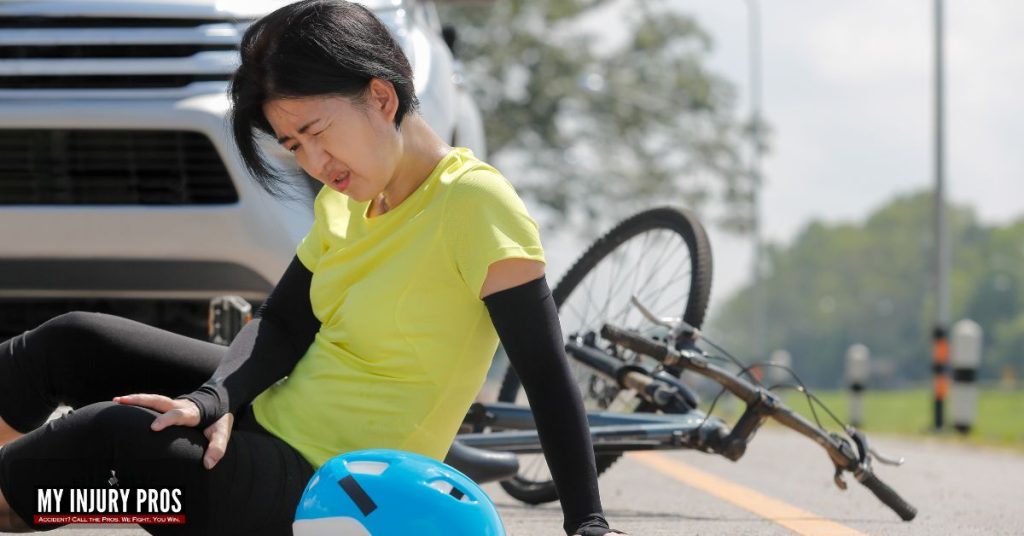
Uber accidents do not affect only passengers, they also affect pedestrians and cyclists, as they are often the most vulnerable victims on the road. Whether it’s a distracted Uber driver making a sudden turn or a Lyft vehicle pulling into a bike lane, these crashes can result in serious, life-altering injuries for people who weren’t even in the car.
It’s important to remember that all road users have rights, and that includes the right to pursue proper compensation if you're hurt by a rideshare vehicle. Pedestrians and cyclists who are injured by an on-duty rideshare driver may be covered by the rideshare company’s insurance, depending on the driver’s status in the app.
Who Pays First: Insurance Layering Explained
When a rideshare accident involves multiple parties, like an Uber driver, other motorists, and injured passengers, insurance layering determines the order in which different insurance policies apply. Typically, the at-fault driver’s personal insurance policy pays first. If that coverage isn’t enough to cover the damages, the rideshare company’s commercial insurance coverage may kick in. Whether the rideshare insurance policy kicks in depends on whether the driver was logged into the app or had an active ride.
This layered approach makes sure that there is a backup if one insurance coverage policy doesn’t fully cover the costs. However, it can also create confusion and delays in getting compensated. Understanding which insurance coverage policy applies and when it does is critical
Passenger Rights You Might Not Know About
When you ride with Uber, Lyft, or any other rideshare service, you have legal rights that protect you, even if you don’t see them spelled out in the app. One lesser-known right is that you can file a personal injury claim if you're hurt in an Uber accident, even if the rideshare driver wasn’t at fault. You also have the right to access Uber's liability insurance coverage if the driver was on an active trip when the crash occurred.
Another important right is the ability to challenge arbitration clauses in some situations. While most riders agree to settle their rideshare disputes privately through arbitration, certain legal circumstances, like those that involve gross negligence, can allow you to take your personal injury lawsuit to court. Additionally, you have the right to report unsafe behavior or vehicle conditions directly to the rideshare company and expect a proper investigation. Knowing these rights can make a big difference in how you respond if something goes wrong during your ride.
Don’t Face a Rideshare Injury Alone
Navigating a rideshare accident claim can feel overwhelming, but you don’t have to figure it out alone. Between medical bills, insurance issues, and legal questions, having the right support can make all the difference. Every case is unique, and since rideshare laws can be complex, it’s important to speak with a qualified Uber accident lawyer who can give you advice tailored to your situation. The right legal guidance can help you protect your rights and pursue the full compensation you deserve.
Injured in an Uber accident and unsure what you’re owed? At My Injury Pros, we understand that every rideshare case is different, and so is the compensation you may be entitled to. With personal injury law being one of our core practice areas, we have deep experience in rideshare claims. Our team is here to uncover every eligible damage. We don’t just file claims, we fight to make sure you’re fully covered and never left guessing. Contact us today for a free, personalized case review.
FAQ
Determining liability in a rideshare accident can be complex, as multiple parties may be involved. This section will address common questions about who may be held legally responsible for your injuries and how liability is typically established in these cases.
Who Do I Report the Crash To?
You should report the crash to local law enforcement, the rideshare company (like Uber or Lyft), and your insurance provider as soon as possible.
Does Uber/Lyft Have to Respond?
Yes, Uber and Lyft are required to respond to accident reports submitted through their apps and may be involved in the claims process if their insurance coverage applies.
Can I Still Get Paid if I Was Partly at Fault?
Yes, you may still receive compensation even if you were partly at fault, depending on your state's comparative negligence laws.
Should I Accept an Insurance Offer?
You should not accept an insurance offer without first consulting a personal injury attorney, as initial offers are often lower than what you may be entitled to.